Top 5 Benefits of Film Faced Birch Plywood for Buyers?
Film Faced Birch Plywood has emerged as a popular choice among construction and furniture industries. This material combines strength and durability with an aesthetically pleasing finish. According to the Wood Product Manufacturers Association, the demand for high-quality plywood has increased by 15% over the past five years.
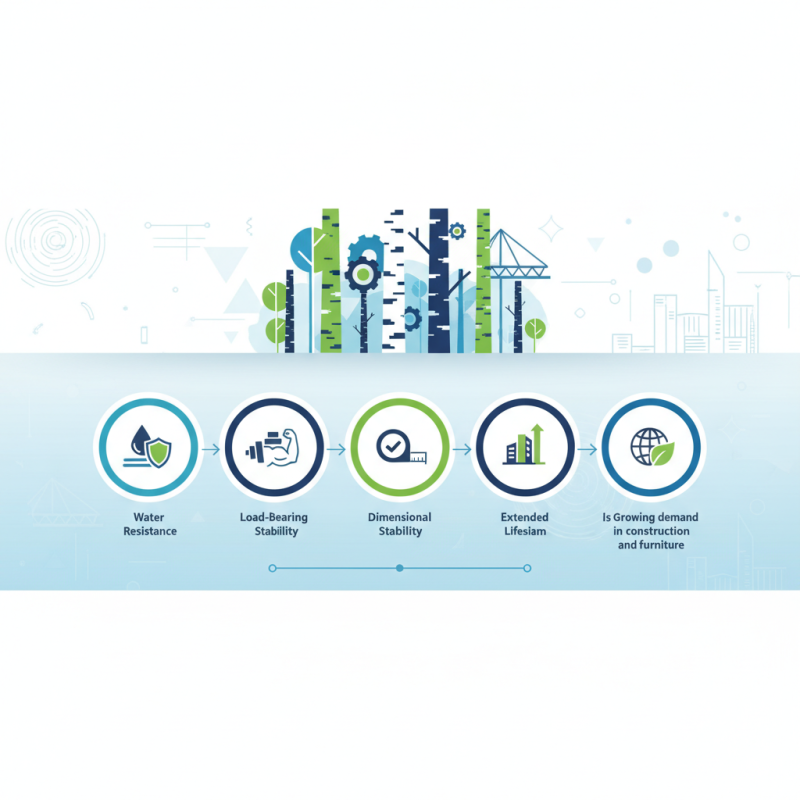
One of the most significant advantages of Film Faced Birch Plywood is its water-resistant surface. This quality makes it ideal for construction projects exposed to moisture. Studies show that using film faced products can extend the lifespan of structures, reducing the need for frequent replacements. However, it is crucial to evaluate the source of the plywood to ensure quality standards are met.
Moreover, this plywood has excellent load-bearing capabilities. Its strength makes it suitable for various applications, from flooring to formwork. Despite its advantages, some users report variability in thickness and quality. Ensuring quality control is vital for achieving the best results. The benefits of Film Faced Birch Plywood are clear, but buyers should proceed with care and knowledge.
Overview of Film Faced Birch Plywood and Its Uses
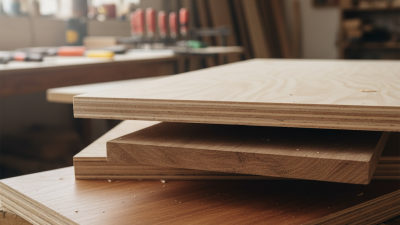
Film faced birch plywood is a versatile material often used in construction and furniture. It consists of high-quality birch veneer sheets, coated with a protective film. This film enhances durability and water resistance, making it suitable for various applications. Builders frequently turn to this plywood for formwork in concrete projects.
In addition to construction, film faced birch plywood serves well in custom cabinetry. Its smooth surface allows for easy finishing. This feature is essential for achieving a polished look in interior spaces. However, the material can be prone to scratching, which may be a concern in high-traffic areas. Careful handling is necessary to maintain its aesthetic quality.
Contractors and designers appreciate the lightweight nature of this plywood, easing transportation and installation. However, it may not provide the same structural integrity as thicker plywood options. Weighing the pros and cons is crucial for projects requiring strong support. Ultimately, the choice of film faced birch plywood depends on the specific needs and desired outcomes of each project.
Durability and Strength: Key Advantages for Construction Projects
Film faced birch plywood is gaining attention in the construction industry for its impressive durability and strength. This material features a smooth, high-quality surface that resists water and other environmental factors. The film overlay contributes to its resilience, making it suitable for both indoor and outdoor applications. Contractors appreciate its ability to withstand heavy loads, ensuring structural stability in various projects.
One of the primary advantages of using film faced birch plywood is its long-lasting nature. Unlike other wood materials, it does not warp or bend easily. This characteristic translates to fewer repairs and replacements over time, which can save money. Moreover, its aesthetic appeal adds to the value of construction projects. Yet, while this plywood offers many benefits, improper handling can lead to surface scratches and damage. Careful consideration during transportation and installation is crucial to maintaining its pristine condition.
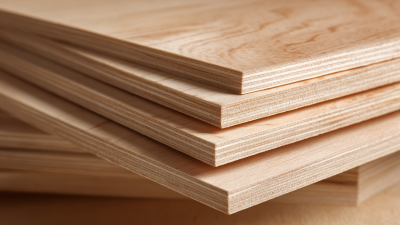
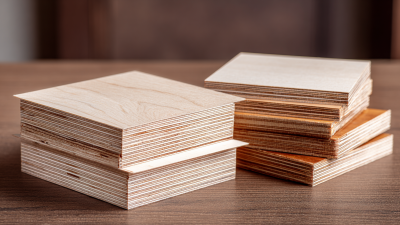
The strength of film faced birch plywood lies in its composition. Made from multiple layers of birch, it boasts superior tensile strength. This is beneficial in high-stress environments, providing reliable support for structural components. However, buyers should note that while it excels in certain conditions, prolonged exposure to extreme moisture can still affect performance. Evaluating the specific demands of each project is essential for maximizing its potential.
Top 5 Benefits of Film Faced Birch Plywood for Buyers
| Benefit |
Description |
Key Feature |
| Durability |
Resistant to wear and tear, suitable for high-traffic areas. |
Long-lasting performance |
| Strength |
High load-bearing capacity makes it ideal for construction. |
Structural integrity |
| Moisture Resistance |
Film surface prevents water damage. |
Ideal for exposed areas |
| Easy to Work With |
Can be easily cut, drilled, and shaped for versatile applications. |
Versatile application options |
| Cost-Effective |
Provides good value for money with long-term durability. |
Long-term savings |
Water and Moisture Resistance: Essential Benefits for Buyers
When considering building materials, film faced birch plywood stands out for several reasons. One significant advantage is its water and moisture resistance. This feature makes it incredibly useful for both indoor and outdoor applications. Projects exposed to humidity or direct water, such as construction sites or landscaping, benefit greatly from this plywood. It prevents warping and damage, ensuring longevity.
Another aspect to consider is how this plywood maintains its integrity over time. Its smooth surface acts as a barrier against moisture. This quality minimizes the risk of mold or decay, which can plague lesser materials. However, it’s essential to remember that not all film faced ply is created equal. Buyers should look for reliable sources and perform proper evaluations. Doing so ensures they select the best options available.
While its resistance to moisture is impressive, overconfidence can lead to neglect. Some users may assume that film faced birch plywood is invincible. In reality, regular inspections and maintenance are vital. Moisture levels should be monitored. Such diligence ensures that the material continues to perform optimally throughout its lifespan. Embracing these practices enhances the plywood's benefits and reduces unforeseen issues.
Top 5 Benefits of Film Faced Birch Plywood
Cost-Effectiveness: Long-Term Value of Film Faced Birch Plywood
When considering materials for construction, cost-effectiveness is crucial.
Film faced birch plywood stands out for its long-term value. The initial investment may be higher, but its durability justifies the cost. Buyers often overlook how long this material lasts compared to cheaper options.
This plywood is resistant to moisture and wear. It retains its quality after multiple uses. Imagine a construction site where materials break down quickly. Film faced birch plywood avoids this pitfall. It withstands harsh conditions and saves on replacements.
On the flip side, some buyers might question its upfront pricing. They may focus solely on immediate costs. However, choosing cheaper alternatives can lead to frequent repairs. Such expenses accumulate over time.
Investing in quality plywood offers better financial sense in the long run.
Choosing wisely matters greatly for long-term projects.
Eco-Friendly Aspects: Sustainability of Birch Plywood Products
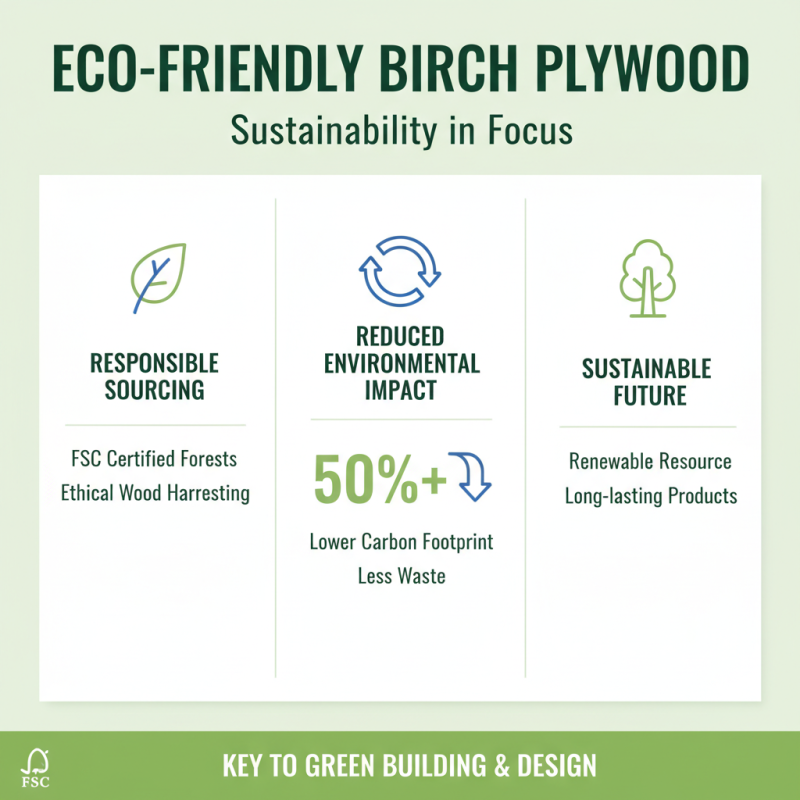
Film faced birch plywood is gaining attention for its eco-friendly aspects. The sustainability of birch plywood products is significant in today's market. According to a report by the Forest Stewardship Council, responsibly sourced birch plywood can reduce environmental impact by over 50%. This is mainly due to effective forest management practices.
Birch plywood is a renewable resource. Birch trees grow quickly, allowing for sustainable harvesting. This helps to decrease deforestation rates. Additionally, the production process is generally less energy-intensive than alternative materials. The lifecycle of birch plywood products is notable. They last longer and can be repurposed or recycled at end-of-life, further contributing to sustainability.
However, buyers should reflect on sourcing practices. Not all manufacturers adhere to eco-friendly methods. It is essential to verify certifications and examine supply chains. While birch plywood has many benefits, knowledge about its origin is crucial for true sustainability. The journey from forest to product can impact the environment significantly.