Why Choose Bamboo Plywood Flooring for Sustainable Homes?
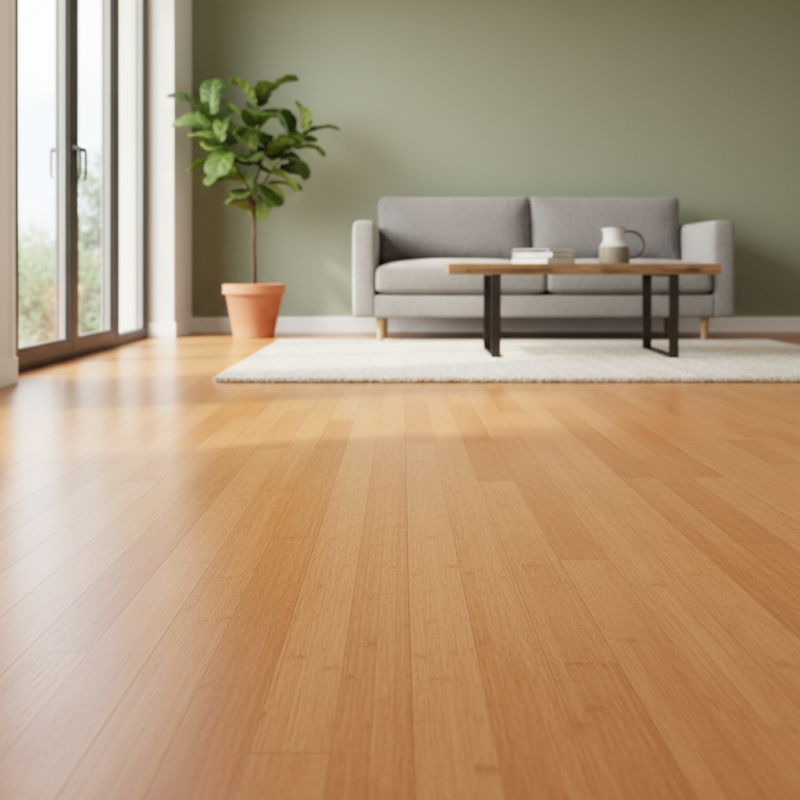
Bamboo Plywood Flooring is gaining popularity in sustainable home design. This natural material offers numerous ecological benefits. Using bamboo promotes sustainable forestry practices. It grows rapidly and needs less water compared to traditional hardwood.
Homeowners appreciate its durability and aesthetic appeal. Bamboo Plywood Flooring comes in various styles and finishes. This versatility allows it to fit well in different interior designs. Though highly regarded, it's essential to choose quality products. Not all bamboo flooring options provide the same level of durability.
Some homeowners report challenges with moisture resistance. Proper installation and maintenance are crucial. Bamboo Plywood Flooring can be a smart choice for eco-conscious buyers. However, understanding its limitations is equally important. Balancing aesthetics and functionality remains key in sustainable living.
Benefits of Bamboo Plywood Flooring for Eco-Friendly Living
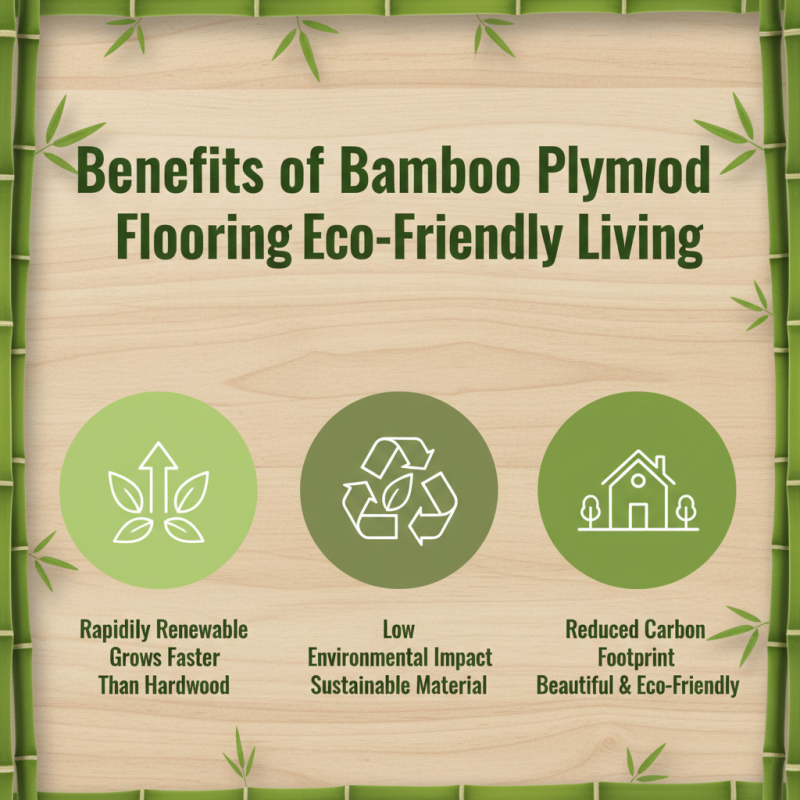
Bamboo plywood flooring is an excellent choice for sustainable homes. It’s made from rapidly renewable bamboo, which grows much faster than traditional hardwood trees. This eco-friendly material has a low environmental impact. Homeowners can enjoy the beauty of wood while keeping their carbon footprint low.
One of the significant benefits of bamboo plywood is its durability. It is harder and more resilient than some hardwoods. This quality means it can withstand busy household activities. However, it's essential to consider proper care and maintenance to preserve its natural beauty. Scratches can occur, and humidity changes may affect the material.
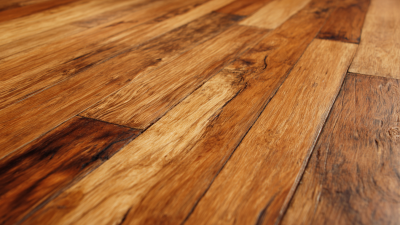
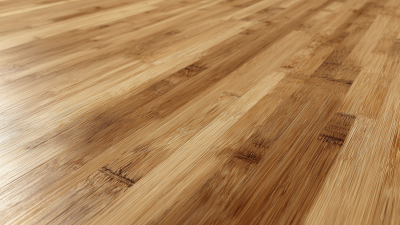
Bamboo plywood has a unique aesthetic. Its natural grains can bring warmth and elegance to any room. Homeowners may notice variations in color and texture, making each floor unique. This individuality can also lead to some challenges in matching with other decor elements. Yet, the charm of a distinctive flooring choice may outweigh these concerns. The eco-friendly nature of bamboo plywood makes it a worthwhile consideration for those aiming for a sustainable living space.
Sustainable Sourcing and Growth of Bamboo as a Resource
Bamboo, a fast-growing grass, presents an excellent option for sustainable flooring. Unlike traditional wood, bamboo reaches maturity in just three to five years. This rapid growth makes it a renewable resource, significantly reducing deforestation pressures. Moreover, bamboo absorbs carbon dioxide efficiently, contributing to a healthier environment.
The harvesting process for bamboo is also less invasive. Farmers can selectively cut mature stalks while leaving younger ones intact. This method promotes continued growth without the need for replanting. The natural strength and durability of bamboo make it a practical choice for flooring. It's both resilient and beautiful, appealing to a wide range of preferences.
Yet, challenges remain. Not all bamboo is sourced sustainably. Some regions face issues regarding labor practices and environmental concerns. It's important for consumers to research sourcing practices. Educating oneself on these details reinforces informed decisions when choosing bamboo products. Awareness leads to enhanced sustainability. The choices we make today shape a better tomorrow.
Durability and Longevity of Bamboo Plywood Compared to Traditional Materials
Bamboo plywood flooring presents an impressive blend of durability and environmental friendliness. It has a hardness rating of 1380 on the Janka scale, higher than many hardwoods like oak and maple. This means bamboo is less susceptible to dents and scratches, making it an ideal choice for homes with pets or high foot traffic.
Moreover, bamboo grows rapidly, reaching maturity in just 3-5 years compared to traditional hardwoods that can take decades. This rapid growth contributes to sustainability. According to a report from the Forest Stewardship Council, bamboo can regenerate without replanting, ensuring minimal impact on ecosystems.
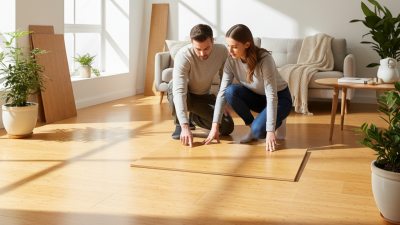
Tip: When installing bamboo flooring, let the planks acclimate to the room's humidity for at least 48 hours. This reduces the chance of expansion or contraction after installation.
Bamboo's longevity is noteworthy; many installations last over 25 years with proper care. In contrast, traditional materials often require more maintenance and replacement. Periodic refinishing can prolong the lifespan of bamboo floors, which is a practical value.
Tip: Regular cleaning can extend the life of your bamboo flooring. Use a soft, dry mop and avoid harsh chemicals to maintain its shine.
Aesthetic Versatility: Design Options with Bamboo Flooring
Bamboo flooring offers remarkable aesthetic versatility, making it a top choice for sustainable homes. Its unique grain patterns and rich colors can complement various design styles. From modern minimalism to rustic charm, bamboo adapts beautifully. A report by the Forest Stewardship Council notes that bamboo can match hardwood in durability while reducing environmental impact. This makes it an attractive option for eco-conscious homeowners.
When considering bamboo flooring, one crucial tip is to explore different finishes. Matte, gloss, or even textured surfaces can change a room’s entire vibe. For instance, a matte finish adds warmth and depth. Natural tones often enhance the earthy feel, while darker stains provide a dramatic contrast. Additionally, bamboo's flexibility allows for unique arrangements, such as herringbone patterns, which can create visual interest.
Another important aspect is installation. Ensure that the subfloor is appropriately prepared. In some cases, uneven surfaces can lead to challenges later. It's wise to prioritize proper acclimation of the bamboo planks before installation. By investing time in these details, homeowners can maximize the beauty and longevity of their bamboo flooring.
Environmental Impact: Reducing Carbon Footprint with Bamboo Floors
Bamboo plywood flooring is gaining popularity in sustainable homes. Its environmental impact is profound. Bamboo grows rapidly and absorbs carbon dioxide efficiently. This means each square foot helps reduce the carbon footprint. The renewable nature of bamboo makes it a fantastic choice for eco-conscious homeowners.
When selecting bamboo flooring, consider its sourcing. Look for products certified by reliable environmental organizations. Sustainable harvesting practices ensure that bamboo remains a viable resource. Check for the materials used in the flooring process. Adhesives that emit low or no volatile organic compounds (VOCs) are ideal for indoor air quality.
Tip: Always request samples to see the texture and color in your space. This can help you visualize its impact in your home. Visualize how different shades will complement your existing decor. Pyrolysis, or carbonization can enhance bamboo’s durability, but it varies in quality. Reflect on your choices. It’s essential to balance aesthetic desires with environmental responsibility.